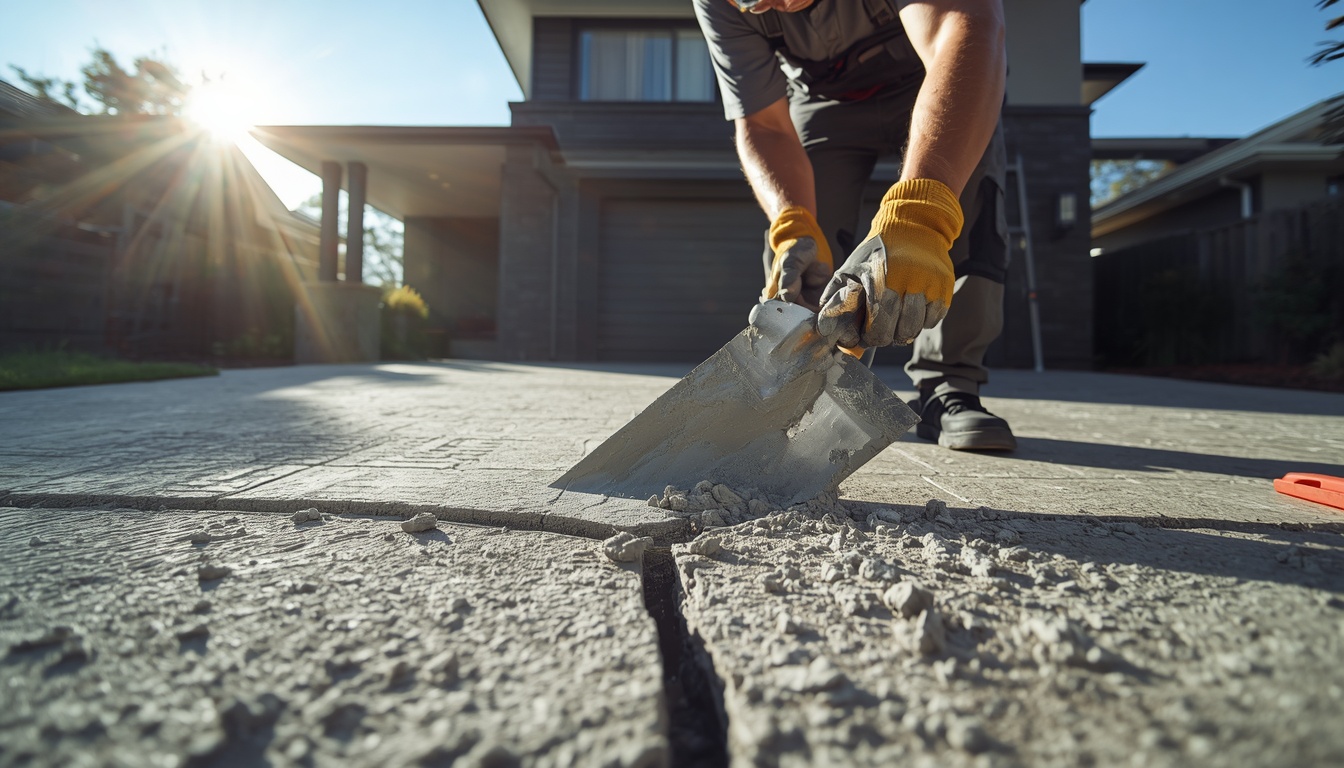
A brown stain on the ceiling, right under the balcony upstairs. You paint over it. Three months later it’s back, a bit bigger, and now the paint’s bubbling. It’s a story we hear a lot, and it’s rarely a paint problem.
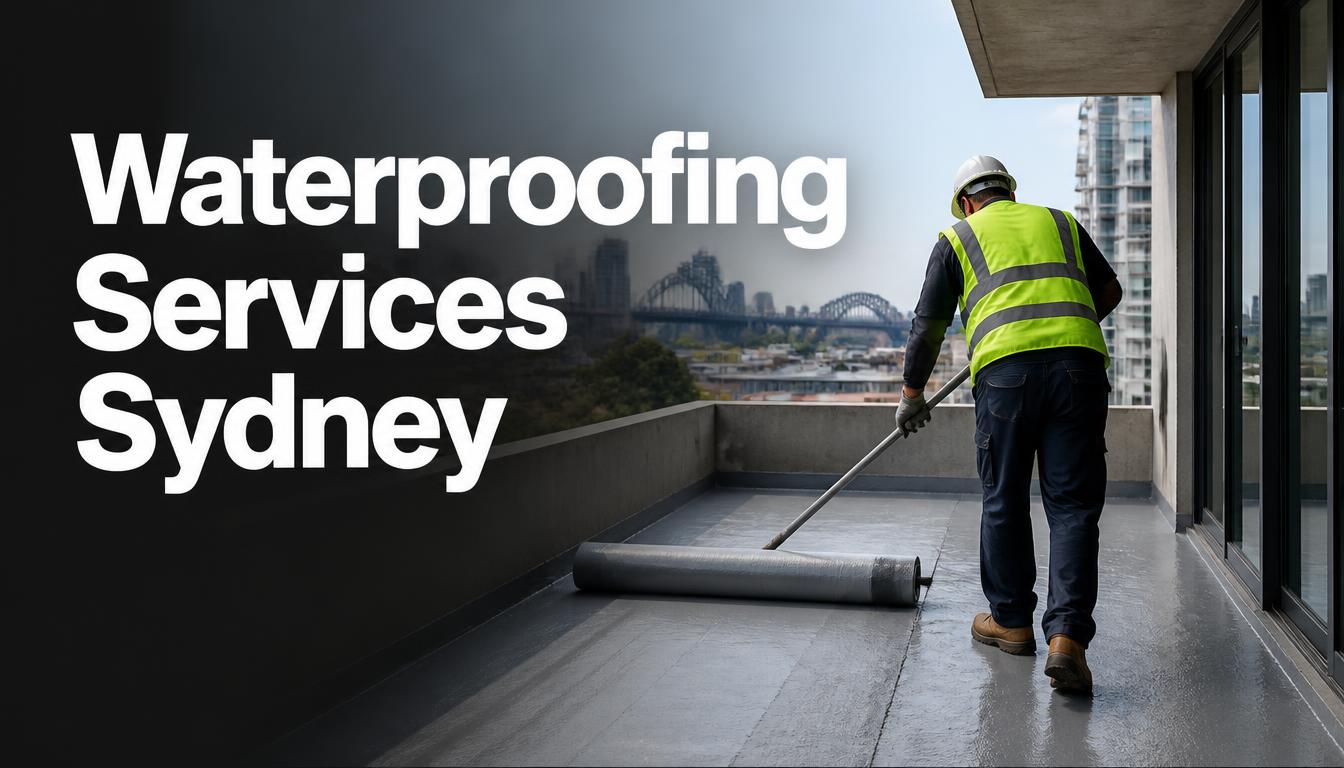
Waterproofing services Sydney owners hire install or repair a water barrier, usually a membrane, on roofs, balconies, podiums, basements and wet areas, so water can’t reach the structure. According to Building Commission NSW (2025), the building code requires a waterproofing membrane on any roof, balcony, podium or similar horizontal surface.
If you’re looking at waterproofing services in Sydney for a unit, a block or a commercial site, this explains what the work covers, the signs you need it and what to ask before anyone starts.
What is waterproofing?
Quick definitions first. Waterproofing refers to the layers and details that stop water getting into a building. A membrane is the flexible barrier laid over a surface, either sheet or liquid applied. A wet area is a room like a bathroom or laundry where water is expected. A puddle flange is the fitting that lets a membrane connect to a drain. Ponding means water sitting on a surface instead of draining off.
Most leaks aren’t a hole in the membrane. They’re a detail that went wrong: a drain, a door threshold, a corner.
What does waterproofing cover?
We list four kinds of work on our waterproofing page: basement and podium waterproofing, wet areas and balconies, roof waterproofing systems, and leak detection and repairs. Here’s how that lines up with what the rules say.
| Area | What’s involved |
| Roofs, balconies, podiums | A membrane over the horizontal surface |
| Wet areas | Water resistant or waterproof surfaces in bathrooms and laundries |
| Basements | Keeping groundwater and damp out of the structure |
| Leak detection | Finding where the water is getting in before repairing it |
For wet areas in Class 2 and 3 buildings, Building Commission NSW (2025) says the elements must be water resistant or waterproof and comply with AS 3740. External membranes sit under AS 4654, which covers materials in Part 1 and design and installation in Part 2.
When do you need it?
Sooner than most people think. Here are the usual triggers:
- A stain or damp patch on a ceiling under a balcony, roof or bathroom.
- Paint that bubbles or peels near a wet area.
- A balcony that holds water after rain.
- Tiles that lift or grout that keeps failing.
- A renovation where the old membrane’s being disturbed.
- A newer building with early leaks.
Our post on five warning signs your property may need remedial building works covers more of these, and our guide to what remedial building services are explains what happens when a leak has already done damage.
What goes wrong most often?
Building Commission NSW (2025) publishes a library of common waterproofing defects. A few stand out:
- The membrane isn’t turned into a drain or an overflow.
- Water ponds on a roof or balcony because the falls are too flat.
- The surface wasn’t prepared properly before the membrane went on.
- The membrane stops short at a sliding door.
- A wet area doorway has no waterstop.
Notice something? None of those is about the membrane product. They’re about detail and preparation. According to Building Commission NSW (2025), a membrane over a poorly prepared surface is a defect in its own right. That’s why a cheap quote that skips the prep often costs more later.
Who pays in a strata building?
It depends where the fault is. According to NSW Fair Trading (2026), the owners corporation must repair and maintain common property, while owners look after their own lot. Read your strata plan and by laws, because a balcony membrane isn’t always where you’d expect. If you’re not sure, ask your strata manager before you book anyone.
Waterproofing has its own design rule too. Swaab (2021) explains that from 1 July 2021, NSW requires waterproofing designs for Class 2 building elements to comply with the Building Code of Australia, including remedial work.
What to ask before you hire
Any waterproofer, us included, should be able to answer these:
- Will you inspect and find the cause before you quote?
- Which membrane system will you use, and to which standard?
- How will you prepare the surface, and how will you handle drains, overflows and door thresholds?
- Is the quote written, with the scope, method and materials listed?
- What warranty applies, and what does it cover?
- Can I see similar finished jobs?
Get the answers in writing. If a contractor can’t explain the detail at a drain, that tells you everything.
Where we fit in
We’re Ravelle Group, at 38 Shoreline Dr, Rhodes. We do waterproofing for residential, commercial and industrial properties, and we work on basements, podiums, wet areas, balconies and roofs. We also do leak detection and repairs, so we can find where the water’s getting in before we fix anything.
Waterproofing and repair often go together. Our remedial works, concrete repairs and chemical injections pages cover the other work that sits around a leak.
We don’t publish prices, because every site is different. Book an inspection and we’ll assess the site conditions, then talk you through what we’d do.
The mistake that costs twice
Putting a new membrane over a surface that’s still holding water. If the falls are wrong, the water pools. If the drain isn’t detailed properly, it finds a way past. A fresh coat on top looks fine for a season, then you’re back to the stain.
My view: pay for the diagnosis first. A good contractor shows you why it’s leaking before they tell you what it’ll cost.
FAQ
What do waterproofing services in Sydney cover?
They cover roofs, balconies, podiums, basements and wet areas like bathrooms and laundries, plus leak detection and repairs. We list basement and podium work, wet areas and balconies, roof systems and leak detection on our waterproofing page.
Does a balcony need waterproofing?
Yes. According to Building Commission NSW (2025), a roof, balcony, podium or similar horizontal surface must have a waterproofing membrane.
How do I know if my waterproofing has failed?
Look for stains on ceilings, bubbling paint, damp patches, water pooling on a balcony or tiles that lift. An inspection will confirm the cause.
Who is responsible for waterproofing in a strata building?
According to NSW Fair Trading (2026), the owners corporation repairs common property and owners repair their own lot. Check your strata plan to see where the fault sits.
Which standards apply to waterproofing?
According to Building Commission NSW (2025), AS 3740 applies to domestic wet areas and AS 4654 applies to external above ground membranes. Ask any contractor which one applies to your job.
How do I book an inspection?
Use the book an inspection page on our website, call 0438 068 800 or email admin@ravellegroup.com.au.
Need a hand? Contact Ravelle Group to talk through your property.