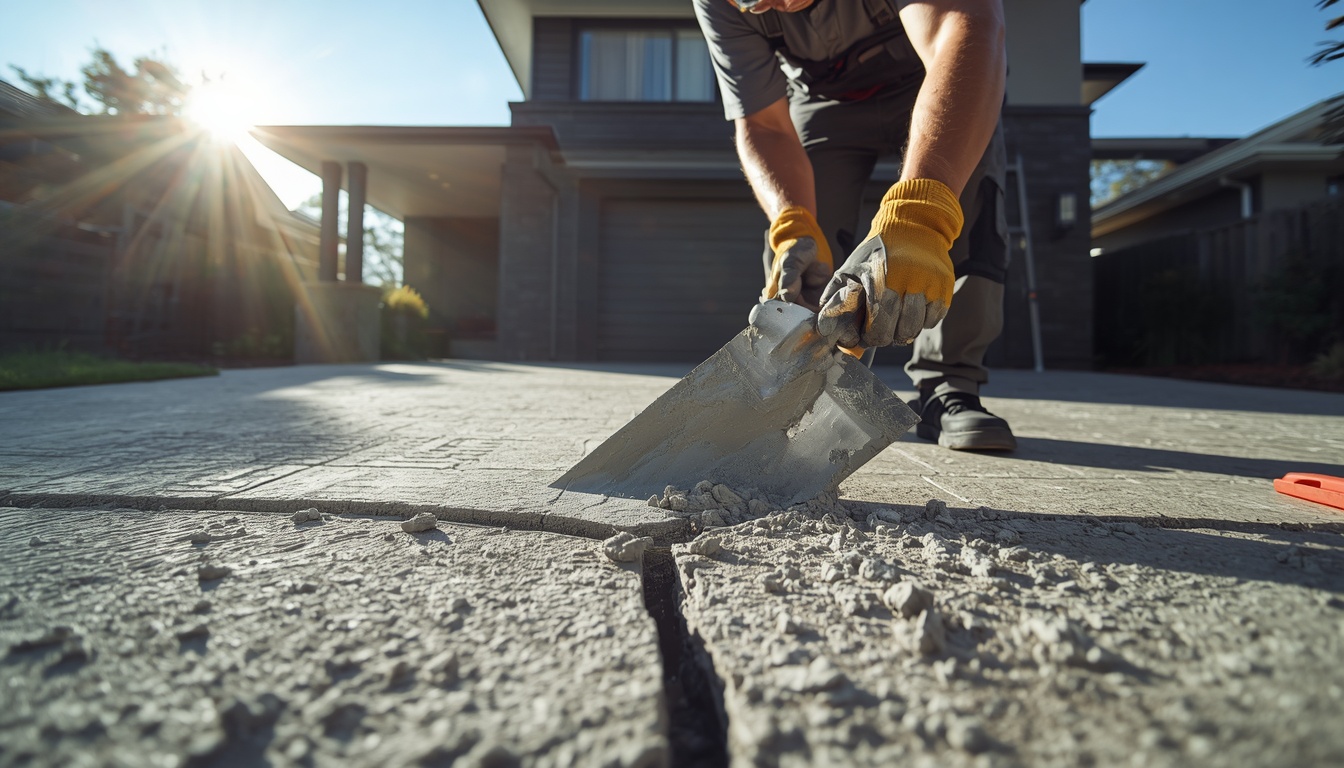
Rust staining along the edge of a balcony slab? Put the paint away. That stain is the steel inside the concrete telling you it’s corroding, and a fresh coat only hides the evidence.
Remedial building services in Australia repair a building that already has a problem, like water leaks, cracked or spalling concrete or failed waterproofing. A remedial builder works out the cause first, then fixes it and protects the area so the same fault doesn’t come back. That’s what separates it from a cosmetic patch.
Where do the facts below come from? The NSW Government for warranties and licensing, a concrete repair presentation by Neil Trenwith of Magnatex Industries, and our own service list.
A plain definition, since the term gets thrown around: remedial work fixes damage or defects that already exist. New building isn’t remedial, and neither is routine upkeep on something that’s still sound.
What Remedial Building Services Include
Here’s what we do and which problem each service is aimed at. The full scope sits on our remedial building services page.
| Service | What it deals with |
| Concrete repairs | Concrete damaged by corroding steel, including cracks, rust staining and flaking surfaces |
| Crack rectification | Cracks where the cause has to be found before anything is filled |
| Façade remediation | Defects and deterioration in the outside walls of a building |
| Waterproofing | Failed or missing membranes that let water into slabs, walls and wet areas |
| Chemical injection | Sealing cracks and leaks by injecting a repair material |
| Building defect repairs | Faults in design, workmanship or materials |
Problems overlap more than people expect. A leaking slab and a corroding slab can be the same fault seen from two sides, so one inspection should look at both.
How Concrete Cancer Damages a Building
“Concrete cancer” sounds dramatic, but it’s just the popular name for concrete spalling, where the surface breaks away. Neil Trenwith of Magnatex Industries explains the cause in a presentation on the NSW Strata Community site (it’s undated). The steel inside the slab corrodes. Corroded steel expands to roughly 8 to 10 times its original volume, and the concrete around it has nowhere to go, so it cracks.
What to look for, according to his list:
- Rust staining
- Cracks
- Swollen or delaminated concrete
- Steel sticking out of the slab
- Fallen concrete with corroded steel exposed
Here’s the annoying part. Sometimes there’s no visible sign at all, which is why periodic inspections catch what your eyes can’t.
His outline of a proper repair runs in a set order. First, work out how far the damage goes and what caused it. Bring in a structural engineer if the structure might be affected. Then pick a repair system that suits the cause, and protect what’s left of the slab. The options he lists include breakout and repair, structural repair mortars, sacrificial anodes, chemical treatments and retrofit cathodic protection. He also notes that stepping in early cuts excavation, disruption and cost.
Picture a Sydney apartment block where an owner spots rust marks under a balcony. Someone chips off the loose piece and repaints. Behind that patch, the steel keeps corroding. Find the cause and the extent first, and the repair can be matched to the actual damage.
How a Remedial Job Should Run
A sound job follows an order. Someone inspects and traces where the water or damage starts. A written report records what they found, with photos. The repair method gets chosen to suit that cause, not the symptom. Then the repairs happen, and the area is protected so the fault doesn’t return.
The classic mistake is paying for the visible damage and ignoring the cause. A patched crack above a leaking membrane is still a crack above a leaking membrane.
My view: if the problem involves water or concrete, ask for an inspection before a quote, and be wary of any price handed over without one.
Remedial Builder or General Builder?
A general builder suits new work and renovations. A remedial builder suits repairs to what’s already standing, such as leaks, cracking, concrete damage and façade faults. Neither is better. They solve different problems. Some jobs need both, though. A façade repair might involve an engineer’s report, a remedial crew and a builder for the finishing work, so ask who coordinates it.
If your building has a defect, start with someone who diagnoses defects for a living. Our recent projects show the kind of work involved.
Remedial Building Services in Australia: Your Rights in NSW
NSW gives owners a safety net, and it has deadlines. Under the Home Building Act 1989, residential building work carries a statutory warranty of 6 years for major defects and 2 years for all other defects, counted from completion. That comes from the NSW Government’s Building Commission page, last modified 21 August 2026. Major defects cover faults in major elements such as foundations, floors, walls, roofs, fire safety systems and waterproofing. Find a breach in the last six months of the period and you get an extra six months to start proceedings.
Start by trying to sort it out with the builder. If that goes nowhere, a homeowner, or the owners corporation for a strata building, can lodge a complaint at a Service NSW centre. And if the warranty period is nearly up, the page advises also lodging an application with NCAT to protect your rights.
Licensing matters too. Residential building work valued at more than $5,000 in labour and materials, including GST, needs a licence in NSW. Unlicensed work can be fined $22,000 for an individual or $110,000 for a company, per the NSW Government (page updated 3 September 2026). Our guide to property maintenance services goes deeper on strata responsibilities. Other states have their own rules, so check locally.
Frequently Asked Questions
What are remedial building services?
They’re repairs to a building that already has a problem, such as leaks, concrete damage, cracking or failed waterproofing. The work starts with finding the cause, then fixing it and protecting the area so the fault doesn’t return.
What is the difference between remedial work and maintenance?
Maintenance keeps something in good condition. Remedial work fixes damage that already exists. A routine check is maintenance, while repairing a corroded slab is remedial.
What is concrete cancer?
It’s the popular name for concrete spalling, where the surface breaks away because steel inside has corroded. Corroded steel expands to roughly 8 to 10 times its original volume, which cracks the concrete around it.
How long do I have to claim for building defects in NSW?
The statutory warranty is 6 years for major defects and 2 years for all other defects, counted from completion. If you find a breach in the last six months, you get an extra six months to start proceedings.
Do I need a licence for remedial work in NSW?
Yes, once residential building work is valued at more than $5,000 in labour and materials, including GST. Unlicensed work can be fined $22,000 for an individual or $110,000 for a company.
Is waterproofing a major defect?
The NSW Government lists waterproofing among the examples of major elements of a building. A defect there, caused by faulty design, workmanship or materials, can count as a major defect.
Seen rust marks, cracks or damp in your building? Book an inspection and tell us the building type, what you’ve noticed and when it started.